Your dog stays with one of our local trainers — drop-off or pickup available. Learn more about our process & service areas

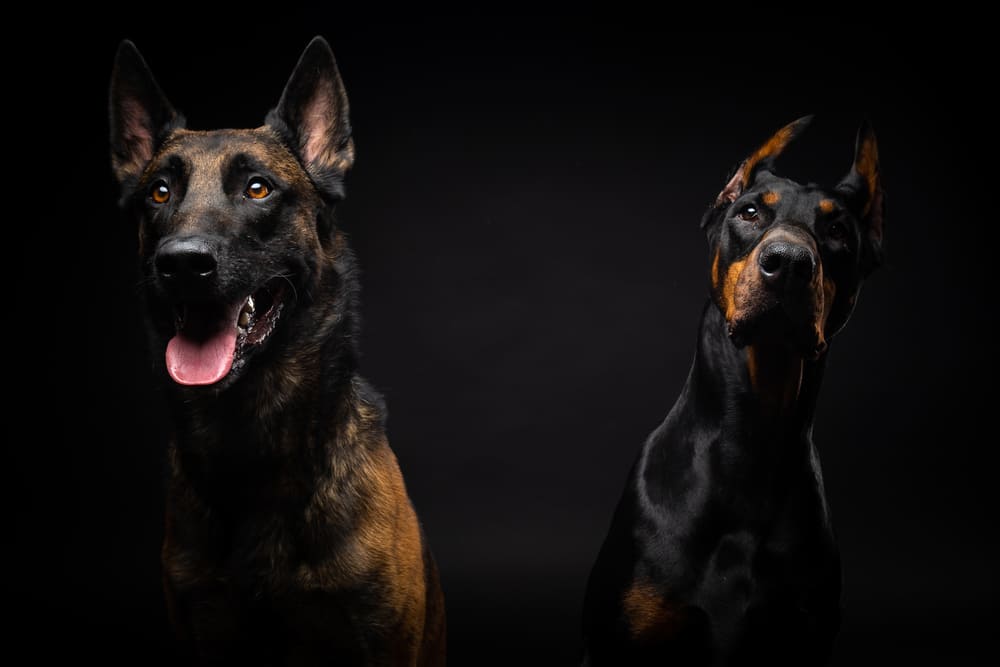
Many dog owners come to professional training after trying multiple approaches. Group classes, private lessons, online videos, and advice from friends can help in some cases, but they don’t always lead to lasting change.
When progress stalls, it’s often not because the dog can’t learn, but because the training lacks structure, consistency, or real-world application.
One of the most common frustrations owners mention is that their dog behaves well during training sessions but falls apart at home or in public.
This often happens when:
Without structure throughout the day, dogs may understand commands but fail to apply them when it matters most.
Dogs learn best when expectations are clear and consistent. Structure helps remove confusion and allows dogs to understand what behaviors are expected in different environments.
Board and train programs provide an environment where training is reinforced throughout the day, not just during scheduled lessons. This allows dogs to practice skills repeatedly and build habits that carry over into everyday life.
In a structured board and train program, dogs receive:
This approach helps many dogs make progress where other methods have fallen short.
Board and train is not about “fixing” a dog and sending them home without support. Long-term success depends on owners understanding of how to maintain structure, communication, and expectations once training is complete.
Programs that include owner guidance help ensure a smooth transition home and that progress continues after training.
Board and train can be a strong option if:
While it’s not the right fit for every situation, it can be a valuable next step for dogs that need more than occasional lessons
If you’re in Virginia, Maryland, or the DMV area and feel other training methods haven’t worked for your dog, reach out to see whether a board-and-train program may be a good fit.

Kodiak K9’s Board & Train program transforms pups of all breeds in just 2–3 weeks.
Get In Touch